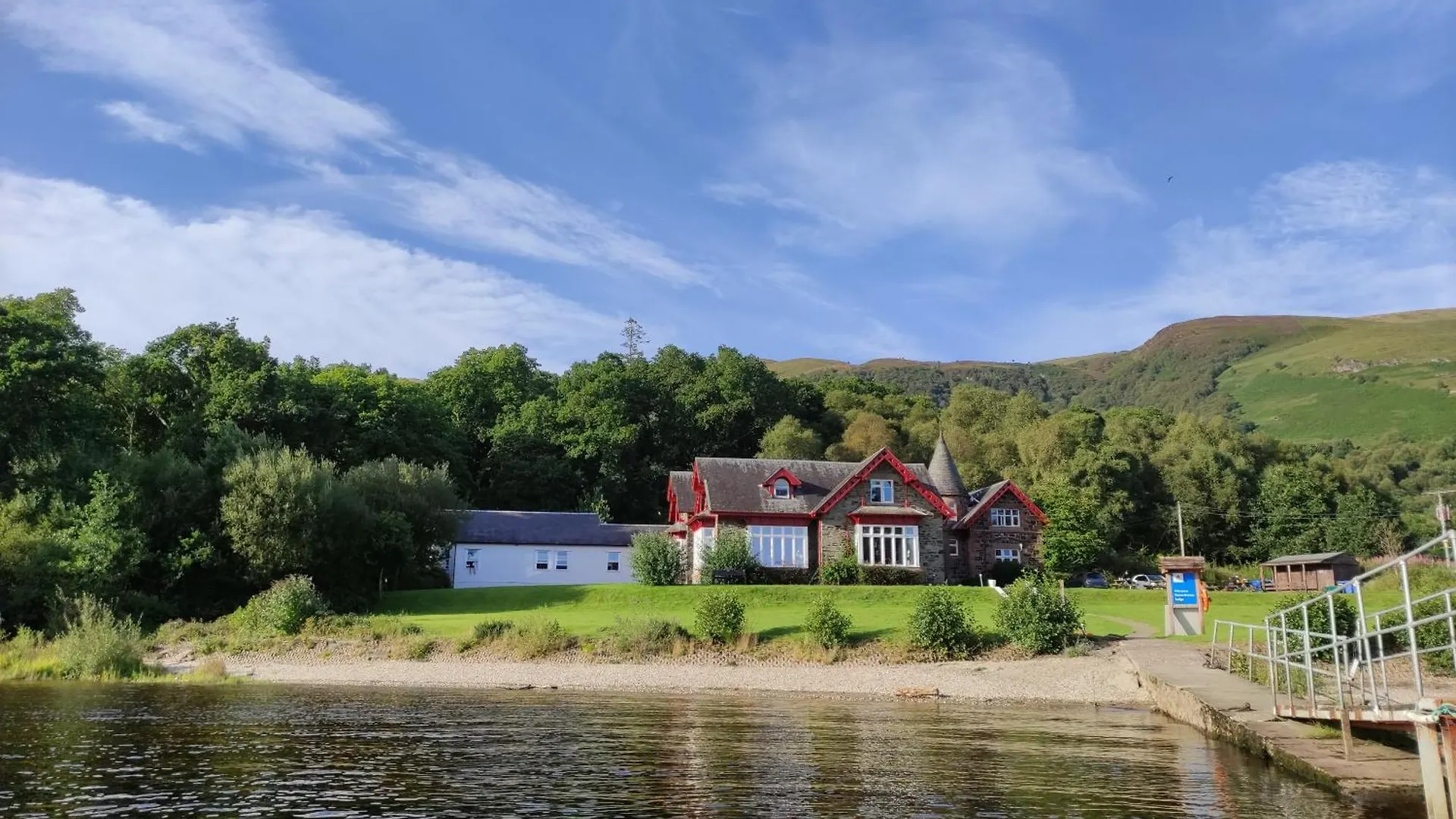
Loch Lomond sits at the southern edge of Scotland's first national park, roughly 40 minutes by road from Glasgow, making it one of the most accessible wilderness destinations in the UK. Staying centrally within the loch and park area means trading urban convenience for direct access to the West Highland Way, boat jetties, and forest trails - a trade-off most visitors consider well worth it.
What It's Like Staying in Loch Lomond
Loch Lomond is not a single town - it's a 39-kilometre stretch of loch flanked by small villages like Balloch, Luss, Balmaha, Rowardennan, and Arrochar, each with a distinct character and different levels of amenity. Most visitors base themselves on the eastern shore, which is quieter, closer to the West Highland Way, and far less commercialised than the southern end near Balloch. Transport between villages is limited; without a car, movement between settlements relies heavily on seasonal ferry services or the infrequent bus routes that serve the western shore.
Summer weekends, particularly from late June through August, bring significant crowds to access points like Balmaha and Luss, where car parks fill before 10am. Staying within the national park boundary - rather than commuting in from Glasgow - gives you early morning access to trails and loch views before day-trippers arrive. Walkers, wild swimmers, and cyclists benefit most from staying here; those seeking urban dining, nightlife, or reliable public transport are better served by Glasgow or Stirling.
Pros:
- Direct access to Loch Lomond & The Trossachs National Park trails and water activities from your accommodation
- Far fewer crowds in the early morning and evening compared to peak day-tripper hours
- Proximity to the West Highland Way, Ben Lomond, and loch-based water sports without a long daily commute
Cons:
- Very limited public transport between villages; a car or planned ferry transfer is practically essential
- Dining and grocery options are sparse outside Balloch - self-catering capability is a genuine advantage
- Peak season (July-August) sees accommodation fill up weeks in advance, with prices rising sharply
Why Choose Central Hotels in Loch Lomond
Central accommodation in Loch Lomond covers a specific cluster of properties positioned along the loch's shores or within the national park boundary, rather than on the outskirts in towns like Dumbarton or Drymen. This positioning cuts travel time to key activity hubs to under 15 minutes on foot in many cases, which matters when you're chasing early morning mist on the loch or want to hit the West Highland Way before the day-tripper buses arrive. Self-catering and hostel-style stays dominate this segment, reflecting the activity-focused demographic that chooses Loch Lomond specifically for outdoor experiences rather than luxury amenities.
Nightly rates for centrally located properties within the national park typically run lower than equivalent-category hotels in Edinburgh or Glasgow, but availability in peak season is extremely tight. Room configurations here lean toward bunk rooms, multi-bedroom cottages, and lodge-style units - standard hotel-style en-suite doubles are rare outside a handful of larger properties on the western shore. The practical benefit is flexibility: larger groups and families often find better value in a whole-cottage rental or lodge than in booking multiple standard hotel rooms.
Pros:
- Walking distance to loch jetties, trailheads, and watersport hire points - no daily driving needed
- Self-catering options offer significant savings over eating out in an area with limited restaurant choice
- Lodge and cottage formats accommodate groups of 4-10 more cost-effectively than multiple hotel rooms
Cons:
- Limited availability of traditional en-suite hotel rooms; most central options are hostels, bunkhouses, or self-catering
- Mobile signal and broadband can be inconsistent in more remote lochside locations
- Minimum stay requirements (often 2-3 nights) are common for self-catering cottages, especially on weekends
Practical Booking & Area Strategy for Loch Lomond
The eastern shore villages - Balmaha, Rowardennan, and Inversnaid - offer the most immersive national park experience, with direct access to Ben Lomond and the West Highland Way, but they require a car or pre-arranged water taxi since bus services are minimal or seasonal. Balmaha is the most practical eastern base: it has a car park, a visitor centre, a pub, and boat hire, and sits roughly 26 km from Glasgow by road. Arrochar, at the northern tip of Loch Long adjacent to Loch Lomond, gives access to the Arrochar Alps and connects via the A82 to Tarbet and Inverarnan - useful if you're continuing north toward the Highlands. Drymen, on the southeastern edge, works well as a quieter gateway with slightly better road links toward Stirling.
Popular activities in the area include hiking Ben Lomond (a Munro at 974 metres), kayaking and paddleboarding from Balmaha, cycling the Three Lochs Way, and taking boat cruises from Balloch or directly from Rowardennan. Book at least 6 weeks ahead for any summer weekend stay in centrally located properties - availability in July and August across lochside accommodation drops fast, particularly for lodges and larger self-catering units.
Best Value Stays
These properties deliver strong access to the national park's key activity corridors at rates that suit hikers, backpackers, and groups prioritising outdoor time over hotel-grade amenities.
-
1. Rowardennan Youth Hostel
Show on map


 Check-infrom 16:00 until 22:00Check-outfrom 08:00 until 10:00
Just a few rooms left at the best rate!
from£ 25
-
2. Inversnaid Bunkhouse
Show on map


 Check-infrom 16:00 until 22:00Check-outfrom 07:00 until 10:00
Just a few rooms left at the best rate!
from£ 57
-
3. Balmaha Lodges And Apartments
Show on map


 Check-infrom 15:00 until 18:00Check-outfrom 07:00 until 10:00
Hurry – almost gone at this price!
from£ 421
Best Premium Stays
These self-catering properties offer more space, greater privacy, and higher-specification interiors for travellers who want a comfortable base without sacrificing proximity to the loch.
-
4. Foxglove Cottages
Show on map


 Check-infrom 14:00 until 21:00Check-outuntil 10:00
Hurry – almost gone at this price!
from£ 289
-
2. Mansefield House
Show on map


 Check-infrom 16:00 until 23:59Check-outfrom 09:00 until 10:00
Rooms filling fast – secure the best rate!
from£ 460
Smart Travel & Timing Advice for Loch Lomond
The shoulder months of May and September offer the strongest combination of weather reliability, trail conditions, and accommodation availability in Loch Lomond - midges (biting insects) are largely absent before June and after mid-September, which dramatically improves the experience for hikers and campers. July and August are peak season: lochside car parks at Balmaha and Luss fill before 10am on weekends, ferry services run at capacity, and last-minute accommodation is almost non-existent for centrally located properties. Rates across self-catering lodges and cottages can rise by around 40% between May and August peak weekends.
A minimum stay of 2 nights makes practical sense given the travel time from major cities and the density of activities available - a single overnight rarely allows enough time to combine a Munro ascent with a loch boat trip or a meaningful section of the West Highland Way. Book at least 6 weeks ahead for any July or August stay at eastern shore properties like Rowardennan and Inversnaid, where total bed counts are low and demand from West Highland Way walkers is consistent throughout summer. October brings autumn colour to the loch's woodland shores and noticeably lower prices, though some seasonal water activity operators close after mid-September.